
Are Foreclosures Rising in Atlanta in 2026?
The Atlanta housing market has gone through significant changes over the past few years. Rising mortgage rates, economic uncertainty, and shifting buyer demand have created new challenges for homeowners and investors alike. One question many people are asking in 2026 is whether foreclosure activity is increasing in Atlanta and what that might mean for the local housing market.
While foreclosure numbers remain far below the levels seen during the 2008 housing crisis, recent data shows that foreclosure activity has been gradually increasing across the United States and in several large metropolitan markets.
Overview of the Atlanta Housing Market in 2026
Atlanta remains one of the fastest growing real estate markets in the United States. Strong population growth, job opportunities, and a relatively affordable cost of living compared to other major cities have continued to attract new residents.
However, market conditions have shifted compared to the rapid growth seen during the pandemic housing boom. Housing inventory has increased and homes are staying on the market longer than before. In late 2025, the Atlanta metro area had approximately 20,998 active listings with a median time on market of about 84 days, signaling a more balanced market between buyers and sellers. Nearly 40 percent of sellers have also reduced their asking prices as competition increases.
This cooling of the market has contributed to financial pressure for some homeowners, particularly those who purchased homes at peak prices or with higher mortgage rates.
Current Foreclosure Trends and Statistics
Across the United States, foreclosure activity has been slowly rising since 2024 as pandemic related mortgage protections ended and economic pressures increased.
According to property data provider ATTOM, foreclosure filings nationwide increased by about 26 percent year over year in early 2026, with approximately one in every 3,547 housing units receiving a foreclosure filing.
In large metro areas, including Atlanta, foreclosure activity has also shown signs of growth. Atlanta recorded one of the higher numbers of completed foreclosures among major U.S. metro areas in recent reports, reflecting growing financial stress among some homeowners
Even with these increases, current foreclosure activity is still significantly lower than the levels seen during the Great Recession.
Factors Influencing Foreclosure Rates
Several economic factors are contributing to rising foreclosure concerns in Atlanta and across the country.
Higher Mortgage Interest Rates
Mortgage rates climbed sharply in recent years and have remained elevated compared to the ultra low rates seen during the pandemic. Higher interest rates increase monthly payments for new buyers and make refinancing more difficult for struggling homeowners.
Inflation and Rising Living Costs
Inflation has raised the cost of everyday expenses including utilities, food, insurance, and property maintenance. For households already operating on tight budgets, these increased costs can make mortgage payments harder to manage.
Economic Uncertainty and Job Market Changes
While Atlanta has a strong and diverse economy, job market fluctuations and layoffs in certain sectors can affect homeowners' ability to stay current on their mortgages.
Comparison to Previous Foreclosure Waves
Although foreclosure activity has increased recently, it is important to understand that the current situation is very different from the housing crash of 2008.
During the financial crisis, millions of homeowners across the United States faced foreclosure due to risky lending practices, subprime mortgages, and collapsing home values.
Today, lending standards are much stricter and many homeowners still have significant equity in their properties. Because of this, experts generally view the current rise in foreclosures as a gradual normalization rather than a major housing collapse.
Is Atlanta Seeing a Foreclosure Surge or a Market Correction?
Most housing analysts describe the current foreclosure trend as a market correction rather than a crisis. After several years of extremely low foreclosure activity due to government relief programs, foreclosure filings are returning closer to historical averages.
At the same time, Atlanta's population growth, strong employment base, and continued housing demand are helping stabilize the market.
This means that while foreclosure activity may rise slightly, the overall housing market remains relatively healthy compared to previous downturns.
What Rising Foreclosures Could Mean for Homeowners
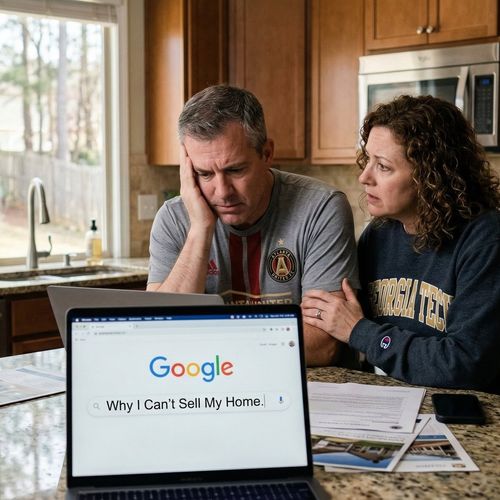
For homeowners, rising foreclosure activity is a reminder of the importance of financial planning and early action when facing mortgage difficulties.
If homeowners begin struggling with payments, waiting too long to seek help can limit available solutions. Acting early may allow homeowners to work with lenders, modify loan terms, or explore alternative options before foreclosure becomes unavoidable.
Opportunities and Risks for Buyers and Investors
For investors and buyers, increased foreclosure activity can sometimes create opportunities to purchase properties at discounted prices.
Atlanta has historically been an attractive market for real estate investment, including property flipping and rental investments. However, distressed properties may require significant repairs or legal due diligence, so buyers should carefully evaluate potential risks.
Investors who understand local market conditions and foreclosure processes may find opportunities, but careful research remains essential.
Advice for Homeowners Facing Financial Difficulties
Homeowners who are struggling financially should take proactive steps to protect their homes and their credit.
- Contact your lender as soon as payment difficulties begin
- Explore options such as loan modification or forbearance
- Seek advice from housing counselors or financial professionals
- Consider selling the home before foreclosure if payments cannot be sustained
Many lenders prefer working with homeowners to find solutions rather than proceeding directly to foreclosure.
Steps to Take Before Foreclosure Becomes Unavoidable
If foreclosure becomes a possibility, taking early action can help minimize financial damage and open additional options.
Possible steps include negotiating with the lender, pursuing a loan modification, exploring short sale opportunities, or selling the property before foreclosure proceedings are completed.
Understanding the local market and seeking professional guidance can make a significant difference during this process.
Final Thoughts
Foreclosure activity in Atlanta appears to be gradually increasing as economic conditions shift and the housing market adjusts after several years of unusually low foreclosure rates. However, the current environment does not resemble the housing crisis of the late 2000s.
For homeowners, the key is to stay informed and act early when financial challenges arise. For investors and buyers, understanding foreclosure trends can provide insight into potential opportunities within the Atlanta real estate market.
As the housing market continues evolving through 2026, both homeowners and investors should closely monitor local market conditions and make informed decisions based on reliable data and professional guidance.
Check out this article next